Embark on a journey into the realm of advanced security with “Voice-Controlled Security Systems for Smart Homes”, where cutting-edge technology meets convenience and peace of mind.
Delve into the intricacies of modern security systems and discover how voice control is revolutionizing the way we protect our homes.
Introduction to Voice-Controlled Security Systems for Smart Homes
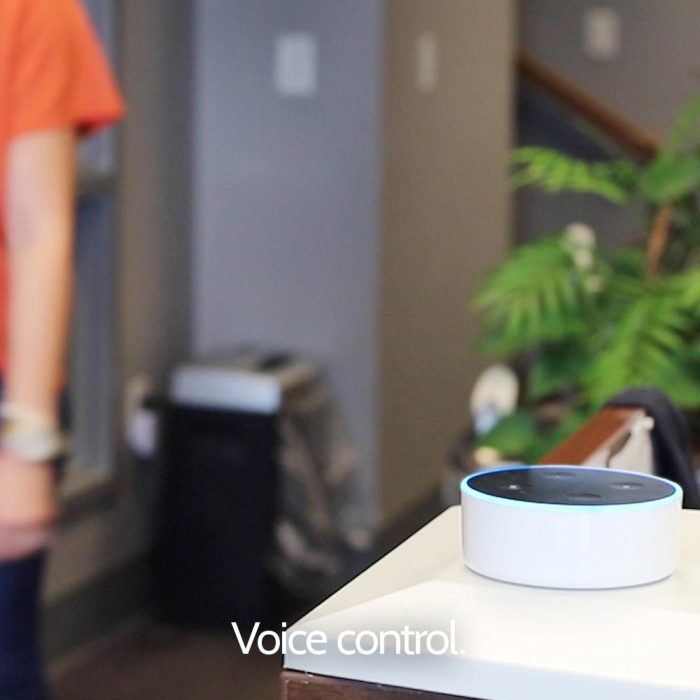
Voice-controlled security systems for smart homes are cutting-edge technologies that allow homeowners to control and monitor their home security using voice commands. These systems utilize artificial intelligence and voice recognition technology to enhance the overall security of a smart home.
How Voice-Controlled Security Systems Work
Voice-controlled security systems work by integrating voice recognition software with traditional security features such as cameras, motion sensors, and alarms. When a homeowner gives a voice command, the system identifies the command through voice recognition technology and executes the corresponding action, such as arming or disarming the security system, locking doors, or checking camera feeds.
Benefits of Using Voice Control in Security Systems
- Voice-controlled security systems offer convenience and hands-free operation, allowing homeowners to control their security system even when their hands are full.
- These systems provide an additional layer of security by requiring voice authentication for access, making it more difficult for intruders to bypass the security measures.
- Voice control enhances accessibility for individuals with mobility issues or disabilities, as they can easily control the security system using voice commands.
- Integration with smart home devices allows for seamless automation and customization of security settings based on user preferences.
- Voice-controlled security systems can also send alerts and notifications to homeowners through voice prompts, ensuring real-time updates on the status of their home security.
Components of Voice-Controlled Security Systems
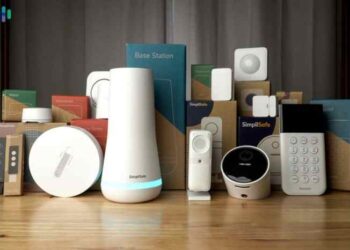
Voice-controlled security systems consist of several essential components that work together to enhance home security and provide convenience for users. Let's explore the key components and their roles in securing smart homes.
Voice Recognition Technology
Voice recognition technology is the core component of voice-controlled security systems. It allows the system to identify and authenticate the homeowner's voice commands. By using advanced algorithms, the system can accurately distinguish the homeowner's voice from others, ensuring that only authorized individuals can control the security features of the home.
Smart Sensors
Smart sensors play a crucial role in monitoring the home environment and detecting any suspicious activities. These sensors can detect motion, sound, temperature changes, and even the presence of smoke or carbon monoxide. When triggered, the sensors send alerts to the homeowner and the security system, enabling quick response to potential threats.
Central Hub
The central hub serves as the control center of the voice-controlled security system. It connects all the components, processes the data collected by sensors, and communicates with other smart devices in the home. The central hub allows homeowners to monitor and manage their security system remotely through a mobile app or voice commands.
Security Cameras
Security cameras are essential for visual monitoring of the home both inside and outside. These cameras provide live video feeds that can be accessed through a smartphone or computer. Some advanced security cameras offer features like night vision, motion detection, and two-way audio communication, enhancing the overall security of the home.
Smart Locks
Smart locks replace traditional door locks and can be controlled remotely through voice commands or a mobile app. Homeowners can lock or unlock their doors from anywhere, allowing them to grant access to trusted individuals or monitor who is entering and leaving the home.
Smart locks also provide an additional layer of security by eliminating the need for physical keys.
Comparison with Traditional Security Systems
Voice-controlled security systems offer several advantages over traditional security systems. Unlike traditional systems that rely on keypads or physical keys, voice-controlled systems provide hands-free operation, making them more convenient and user-friendly. Additionally, the integration of smart sensors, cameras, and other components allows for a more comprehensive and customizable security solution tailored to the specific needs of the homeowner.
Integration with Smart Home Devices
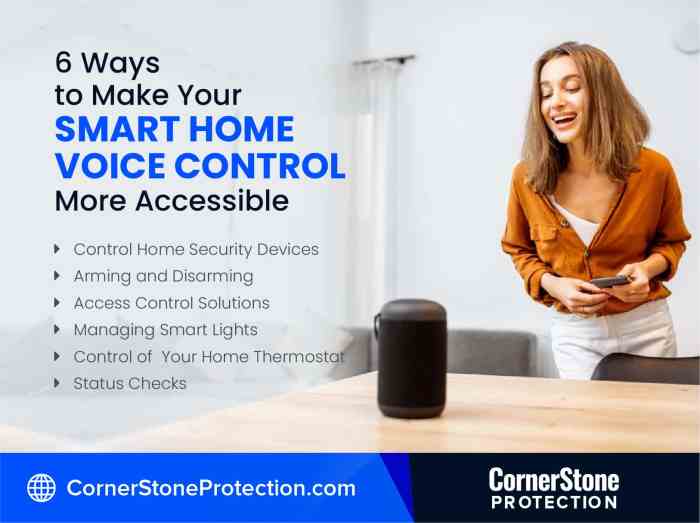
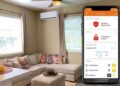
Voice-controlled security systems are designed to seamlessly integrate with various smart home devices, providing a comprehensive and interconnected ecosystem for homeowners. This integration allows for a more streamlined and convenient user experience, where users can control multiple aspects of their home through a single interface.
Examples of Smart Home Devices
- Smart door locks: Users can lock or unlock their doors using voice commands, enhancing security and convenience.
- Smart cameras: Voice-controlled security systems can be connected to smart cameras to monitor the surroundings and provide real-time video feeds.
- Smart lights: Integration with smart lights allows users to control lighting remotely or set up automated lighting schedules for added security.
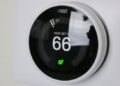
- Smart thermostats: Voice commands can adjust the temperature settings through integration with smart thermostats, ensuring comfort and energy efficiency.
Advantages of a Unified Smart Home Ecosystem
- Convenience: Having all smart home devices connected to a central voice-controlled security system simplifies operations and enhances user experience.
- Enhanced security: Integration with various devices like cameras, door locks, and sensors improves overall security measures and provides peace of mind to homeowners.
- Energy efficiency: Smart home ecosystem integration allows for better control over energy-consuming devices, optimizing usage and reducing energy costs.
- Customization: Users can personalize their smart home ecosystem by setting up routines, preferences, and automation based on their unique needs and lifestyle.
Security and Privacy Concerns
Voice-controlled security systems for smart homes bring convenience and efficiency, but they also raise important security and privacy concerns that need to be addressed to ensure the safety of users and their data.
Potential Security Risks
- Unauthorized Access: Hackers could potentially intercept voice commands or manipulate the system to gain access to the home.
- Data Breaches: Personal information shared through voice commands could be vulnerable to data breaches if not properly encrypted.
- Misinterpretation of Commands: There is a risk of the system misinterpreting commands or responding to unintended instructions, leading to security vulnerabilities.
Measures to Enhance Security and Privacy
- Strong Encryption: Implementing robust encryption protocols to protect data transmitted between devices and the cloud.
- Multi-Factor Authentication: Adding an extra layer of security by requiring multiple forms of authentication before granting access.
- Regular Software Updates: Ensuring that the system is regularly updated with the latest security patches to prevent vulnerabilities.
Privacy Implications of Voice-Controlled Systems vs. Traditional Security Systems
- Data Collection: Voice-controlled systems may collect more personal data through continuous listening, raising concerns about privacy compared to traditional systems.
- User Awareness: Users need to be aware of the potential privacy risks associated with voice-controlled systems and take appropriate measures to protect their information.
- Third-Party Access: Voice data collected by these systems could be shared with third parties, posing a risk to user privacy if not properly managed.
User Experience and Accessibility
Interacting with voice-controlled security systems offers a convenient and hands-free way to manage your smart home's security. Users can easily arm/disarm the system, check camera feeds, and receive alerts using simple voice commands. This seamless interaction enhances the overall user experience and provides a sense of control and security.
Accessibility Features
Voice-controlled security systems also come with features to enhance accessibility for users with disabilities. For visually impaired users, these systems offer audio feedback for commands and notifications. Additionally, customizable voice commands and integration with smart home devices like smart lights or door locks can make it easier for users with mobility impairments to control their security system.
- Audio feedback for commands and alerts
- Customizable voice commands
- Integration with smart home devices for easier control
Tips for Optimizing User Experience
To ensure an optimal user experience with voice-controlled security systems, consider the following tips:
- Place microphones strategically in different areas of your home for better voice recognition.
- Regularly update the system's software to benefit from the latest features and improvements.
- Create unique and easy-to-remember voice commands to streamline interactions with the system.
- Test the system regularly to ensure it responds accurately to your commands.
Final Wrap-Up
In conclusion, the integration of voice-controlled security systems into smart homes offers a seamless blend of innovation and protection, ensuring a safer and more connected living environment for all.
Clarifying Questions
How do voice-controlled security systems enhance home security?
These systems provide a hands-free and convenient way to monitor and control security devices, adding an extra layer of protection to your home.
What are some common security risks associated with voice-controlled systems?
Potential risks include unauthorized access through voice commands and privacy concerns related to voice data storage.
Can voice-controlled security systems be integrated with existing smart home devices?
Yes, these systems can connect with various smart devices like cameras, door locks, and sensors to create a comprehensive security network.