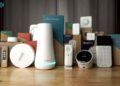
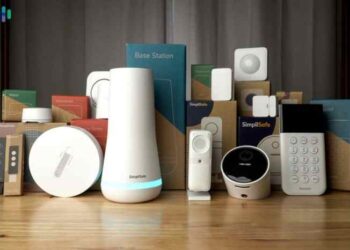
Embark on a journey exploring the world of Eco-Friendly Smart Living Devices You Should Try, where innovation meets sustainability for a brighter future.
Delve into the realm of eco-friendly smart devices that seamlessly blend technology with environmental consciousness, revolutionizing daily living.
Eco-Friendly Smart Living Devices Overview
Eco-friendly smart living devices are innovative products that are designed to help individuals live a more sustainable lifestyle while also enjoying the convenience and efficiency of smart technology. These devices are typically energy-efficient, reduce waste, and promote environmentally friendly practices in various aspects of daily life.
Using eco-friendly smart devices in daily life comes with numerous benefits. They help to reduce energy consumption, lower utility bills, minimize carbon footprint, and contribute to a healthier planet. Additionally, these devices often incorporate advanced technology such as automation, remote control, and data monitoring to enhance user experience and improve overall efficiency.
Examples of Popular Eco-Friendly Smart Living Devices
- Solar-Powered Lights: These outdoor lights harness solar energy during the day and automatically illuminate at night, reducing the need for electricity and saving energy.
- Smart Thermostats: These devices optimize heating and cooling settings based on user preferences and occupancy patterns, leading to energy savings and increased comfort.
- Smart Plugs: These plugs allow users to remotely control the power supply to connected devices, enabling efficient energy usage and reducing standby power consumption.
- Water-Saving Showerheads: These devices regulate water flow to conserve water usage without compromising on shower experience, promoting eco-friendly practices in the bathroom.
Smart Thermostats and Energy Management
Smart thermostats play a crucial role in promoting energy efficiency within homes by allowing users to control the temperature settings remotely, create custom schedules, and adapt to their preferences. These devices help reduce energy consumption by ensuring that heating and cooling systems operate only when necessary, thus lowering overall energy costs and environmental impact.
Examples of Smart Thermostats
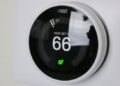
- Nest Learning Thermostat: This popular smart thermostat learns your heating and cooling preferences over time, adjusts to your schedule, and can save you up to 10-12% on heating bills and 15% on cooling bills.
- Ecobee SmartThermostat with Voice Control: Equipped with room sensors, this smart thermostat helps regulate temperatures in specific areas of your home, optimizing comfort and energy efficiency.
- Honeywell Lyric T5 Wi-Fi Thermostat: This smart thermostat offers geofencing capabilities, allowing it to adjust settings based on your location, ensuring energy savings when you're away.
Integration into Smart Home Ecosystem
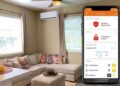
Smart thermostats can seamlessly integrate into a smart home ecosystem, interacting with other connected devices to enhance overall energy management. By syncing with smart lighting systems, occupancy sensors, and weather forecasts, smart thermostats can make informed decisions to optimize energy usage and create a more comfortable living environment.
Additionally, some smart thermostats are compatible with voice assistants like Amazon Alexa and Google Assistant, enabling hands-free control and further enhancing the convenience and efficiency of your smart home.
Solar-Powered Gadgets and Devices
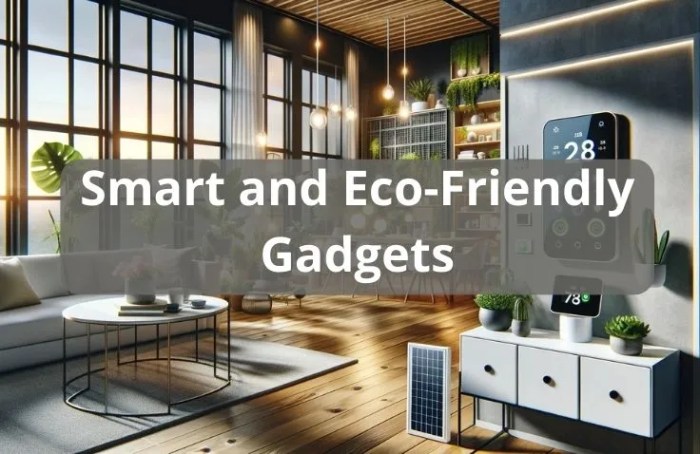
Solar power has become an increasingly popular choice for eco-conscious individuals looking to reduce their carbon footprint and energy bills. By harnessing the power of the sun, solar-powered gadgets offer a sustainable and renewable energy source for smart homes. Let's explore the advantages of using solar-powered devices and the innovative ways they can be integrated into everyday living.
Advantages of Solar-Powered Gadgets
- Cost-effective: Solar power is free and abundant, reducing electricity bills in the long run.
- Environmentally friendly: Solar energy is a clean and renewable energy source, reducing carbon emissions and dependence on fossil fuels.
- Low maintenance: Solar-powered gadgets require minimal maintenance once installed, making them hassle-free.
- Off-grid capabilities: Solar power allows for energy independence, especially in remote locations or during power outages.
Types of Solar-Powered Devices for Smart Living
- Solar panels: Generate electricity to power various devices and appliances in the home.
- Solar-powered lights: Illuminate outdoor spaces using solar energy stored during the day.
- Solar chargers: Charge smartphones, tablets, and other gadgets using sunlight, ideal for outdoor activities.
- Solar water heaters: Heat water using solar energy, reducing the need for traditional heating methods.
Innovative Uses of Solar Power Technology
- Solar-powered backpacks: Charge devices on the go while hiking or commuting.
- Solar-powered security cameras: Monitor your home without the need for electrical wiring.
- Solar-powered garden irrigation systems: Water plants efficiently using solar energy, conserving water resources.
- Solar-powered air conditioning: Cool your home using solar energy, reducing energy consumption from the grid.
Smart Lighting Solutions for Sustainable Living
Smart lighting plays a crucial role in sustainable living by significantly impacting energy conservation. Compared to traditional lighting systems, smart lighting solutions offer improved efficiency and control, ultimately reducing energy waste. Here are some tips on optimizing smart lighting to further enhance sustainability:
Impact of Smart Lighting on Energy Conservation
- Smart lighting systems utilize advanced technologies such as motion sensors, timers, and dimmers to optimize energy usage.
- These systems can automatically adjust brightness levels based on natural light availability, occupancy, and user preferences, reducing unnecessary energy consumption.
- By enabling remote control and scheduling features, smart lighting allows users to manage their lighting usage efficiently, further contributing to energy savings.
Comparison with Traditional Lighting Systems
- Traditional lighting systems often rely on manual operation and lack the ability to adapt to changing environmental conditions, leading to energy inefficiency.
- In contrast, smart lighting solutions offer intelligent features that enhance energy conservation, such as the ability to customize lighting settings and monitor usage patterns.
- Smart lighting systems are designed to be more durable and energy-efficient than traditional light bulbs, resulting in long-term cost savings and reduced environmental impact.
Tips for Optimizing Smart Lighting
- Utilize motion sensors and timers to automatically control lighting in unoccupied areas, reducing energy waste.
- Adjust brightness levels based on specific tasks or activities to ensure optimal lighting while minimizing electricity consumption.
- Integrate smart lighting with other smart home devices for seamless automation and energy efficiency throughout your living space.
Water Conservation with Smart Devices
Smart devices play a crucial role in monitoring and reducing water usage in households, promoting sustainability and efficiency. By incorporating water-saving features, these devices help in conserving water resources while also saving on utility bills.
Smart Devices for Water Conservation
- Smart Leak Detectors: These devices can detect leaks in pipes or appliances, helping to prevent water wastage and potential damage to the home.
- Smart Irrigation Systems: These systems can monitor weather conditions and soil moisture levels to optimize watering schedules, reducing water waste in outdoor spaces.
- Smart Showerheads and Faucets: These devices can regulate water flow and temperature, promoting water conservation without compromising on comfort.
Importance of Water-Saving Features
Incorporating water-saving features in smart home devices not only helps in reducing water usage but also contributes to environmental conservation and lower utility costs.
Final Review
In conclusion, Eco-Friendly Smart Living Devices You Should Try offer a glimpse into a greener lifestyle, where cutting-edge technology aligns with eco-conscious practices, shaping a sustainable tomorrow.
FAQ Corner
How do eco-friendly smart living devices contribute to sustainability?
These devices reduce energy consumption and promote environmental consciousness through innovative technology.
What are some examples of popular eco-friendly smart living devices?
Popular choices include smart thermostats, solar-powered gadgets, smart lighting solutions, and water conservation devices.
How can smart lighting solutions help in sustainable living?
Smart lighting systems optimize energy usage, reducing waste and promoting energy conservation in households.
Why is water conservation important in smart home devices?
Water-saving features in smart devices help monitor and reduce water usage, contributing to a more sustainable lifestyle.