Beginning with “Best Smart Security Systems for Asian Apartments 2025”, the narrative unfolds in a compelling and distinctive manner, drawing readers into a story that promises to be both engaging and uniquely memorable.
As we delve into the realm of smart security systems tailored for Asian apartments in 2025, we explore the cutting-edge technologies and innovative solutions that are reshaping the landscape of residential security.
Introduction to Smart Security Systems for Asian Apartments
Smart security systems refer to advanced technologies and devices designed to enhance the safety and security of residential spaces through automation and connectivity.
Implementing smart security systems in Asian apartments is crucial due to the increasing urbanization and population density in major cities. These systems offer residents peace of mind by providing real-time monitoring, alerts, and remote access to their homes, even when they are away.
Trends and Advancements Expected by 2025
- Integration of Artificial Intelligence (AI) and Machine Learning: Smart security systems will become more sophisticated in analyzing data and identifying potential threats, leading to more accurate and timely responses.
- Enhanced Connectivity and Interoperability: Systems will be designed to work seamlessly with other smart devices in the home, creating a comprehensive network for better security management.
- Biometric Authentication: The use of biometric technology, such as fingerprint or facial recognition, will become more common for access control, ensuring only authorized individuals can enter the premises.
- Cloud-Based Storage and Security: Data storage on the cloud will offer increased reliability and accessibility, allowing for easier retrieval of footage and information in case of security incidents.
- Environmental Sensors: Smart security systems will incorporate environmental sensors to detect hazards like smoke, carbon monoxide, or water leaks, providing a holistic approach to home safety.
Key Features of the Best Smart Security Systems
Smart security systems for Asian apartments are designed with specific features to cater to the unique needs of these living spaces. These key features ensure optimal security and peace of mind for residents in a convenient and efficient manner.
Types of Sensors Used in Smart Security Systems
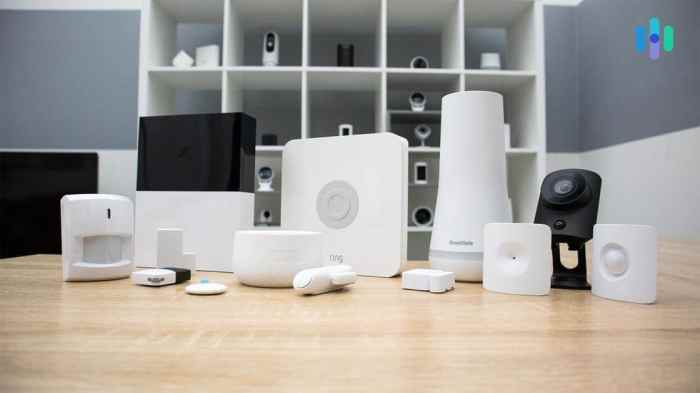
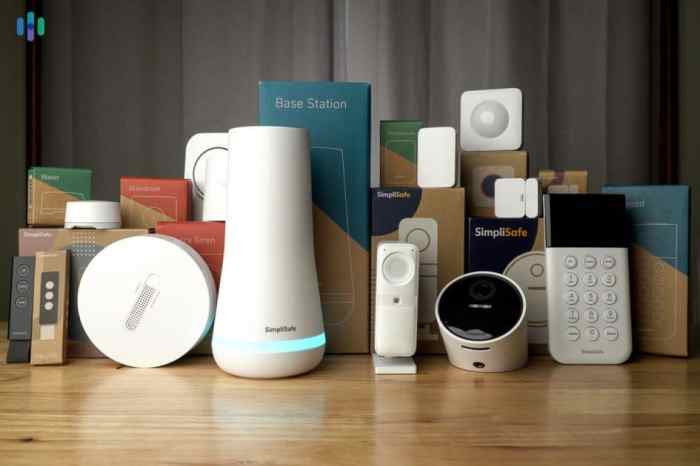
Smart security systems utilize various types of sensors to detect and monitor activities within the apartment. These sensors include:
- Door and window sensors: These sensors alert homeowners if a door or window is opened, providing an immediate notification of potential unauthorized access.
- Motion sensors: Motion sensors detect any movement within the apartment and trigger an alarm or notification to the homeowner.
- Smoke and carbon monoxide detectors: These sensors monitor the air quality within the apartment and alert residents in case of any fire or gas leaks.
Integration of Artificial Intelligence and Machine Learning
Smart security systems are increasingly incorporating artificial intelligence (AI) and machine learning algorithms to enhance their security features. This integration allows the system to learn and adapt to the residents' behavior patterns, improving its ability to detect suspicious activities and reduce false alarms.
AI also enables smart security systems to analyze data in real-time and provide more accurate threat assessments, making them more efficient and reliable in protecting Asian apartments.
Design and Installation Considerations
When setting up a smart security system in an Asian apartment, it's crucial to pay attention to the design and installation process. The layout of the system should be well-thought-out to ensure maximum coverage and effectiveness. Additionally, considering the cultural and architectural aspects of Asian apartments is essential to seamlessly integrate the security system without compromising the aesthetics or functionality of the space.
Guidelines for Designing a Smart Security System Layout
To design an effective smart security system layout for Asian apartments, consider the following guidelines:
- Identify high-risk areas: Determine the vulnerable entry points and areas that require surveillance.
- Strategically place cameras and sensors: Position cameras and sensors in key locations to cover all entry points and critical areas.
- Consider privacy concerns: Respect the privacy of residents by avoiding placing cameras in private spaces like bedrooms or bathrooms.
- Ensure seamless integration: Integrate the security system components discreetly to blend with the interior design of the apartment.
Installation Process of Smart Security Systems
The installation process of smart security systems in apartments involves the following steps:
- Consultation and planning: Work with a professional security system provider to assess the apartment layout and create a customized security plan.
- Mounting of cameras and sensors: Install cameras and sensors at strategic locations following the layout plan to ensure comprehensive coverage.
- Connection and setup: Connect the security system components to a central hub and configure settings for monitoring and alerts.
- Testing and calibration: Test the system to ensure all components are functioning correctly and calibrate settings for optimal performance.
Importance of Considering Cultural and Architectural Aspects
In Asian apartments, cultural and architectural aspects play a significant role in the installation of smart security systems. It is essential to consider:
The layout and design of the apartment to ensure seamless integration of security system components without disrupting the overall aesthetic
.
The privacy concerns of residents and cultural sensitivities regarding surveillance to maintain a harmonious living environment.
The structural constraints of the building that may affect the installation process and placement of security system components.
Data Privacy and Security Measures
Data privacy and security are paramount when it comes to smart security systems in Asian apartments. These systems collect and store sensitive information, making it crucial to implement robust measures to protect against breaches and unauthorized access.
Encryption Protocols
Encryption protocols play a vital role in securing data within smart security systems. These protocols ensure that data is encrypted during transmission and storage, making it unreadable to anyone without the proper decryption key. Common encryption protocols used in these systems include AES (Advanced Encryption Standard) and SSL (Secure Sockets Layer).
Preventing Hacking and Unauthorized Access
To prevent hacking and unauthorized access to smart security systems, various measures can be implemented. These include:
- Strong Password Policies: Enforcing the use of complex and unique passwords for system access can help prevent unauthorized entry.
- Two-Factor Authentication: Adding an extra layer of security by requiring a second form of verification, such as a code sent to a mobile device, can enhance protection.
- Regular Software Updates: Keeping system software up to date with the latest security patches can address vulnerabilities and reduce the risk of exploitation by hackers.
- Network Segmentation: Dividing the network into separate segments can limit the potential impact of a breach and prevent unauthorized access to sensitive data.
- Monitoring and Logging: Constant monitoring of system activity and maintaining detailed logs can help detect any suspicious behavior and track potential security breaches.
Integration with Smart Home Ecosystem
Smart security systems can seamlessly integrate with other smart home devices, creating a cohesive ecosystem that enhances overall security in Asian apartments. By connecting various devices such as cameras, sensors, door locks, and alarms, residents can monitor and control their home security remotely, ensuring peace of mind even when away.
Enhanced Security through Interconnected Devices
- Integration of smart cameras with motion sensors can trigger alerts and recordings when unexpected movement is detected, providing real-time monitoring of potential security breaches.
- Smart door locks can be synchronized with security systems, allowing residents to lock and unlock doors remotely, as well as receive notifications of any unauthorized entry attempts.
- Interconnected smoke detectors and security systems can not only alert residents in case of a fire but also automatically shut off HVAC systems to prevent the spread of smoke and fire.
Benefits of a Cohesive Smart Home Ecosystem
- Convenience: Residents can control various aspects of their home security from a single interface, simplifying the monitoring and management process.
- Enhanced Automation: Automated responses to security threats, such as activating lights or sounding alarms, can deter potential intruders and improve overall safety.
- Customization: Residents can personalize their security settings based on their preferences and lifestyle, creating a tailor-made security system that meets their specific needs.
Last Recap
In conclusion, the evolution of smart security systems for Asian apartments in 2025 presents a promising future filled with enhanced security measures, seamless integrations, and a heightened sense of protection for residents. As technology continues to advance, the horizon for smart security systems in Asian apartments appears brighter than ever before.
Questions and Answers
What are the key features to look for in the best smart security systems for Asian apartments?
Key features include seamless integration with other smart devices, advanced sensors for accurate detection, and robust data encryption protocols.
How can smart security systems be effectively integrated into the existing smart home ecosystem?
Smart security systems can be integrated by leveraging compatible protocols such as Zigbee or Z-Wave, allowing seamless communication with other smart devices in the ecosystem.
What design considerations are crucial when setting up smart security systems in Asian apartments?
Design considerations should include optimal sensor placement for comprehensive coverage, taking into account the unique layout and architectural nuances of Asian apartments.