"Wire-Free Thermostat Upgrades for Smart Living Spaces” sets the stage for this enthralling narrative, offering readers a glimpse into a story that is rich in detail with casual formal language style and brimming with originality from the outset.
Wire-free thermostats revolutionize the way we control temperature in our homes, providing convenience and energy savings like never before. Let's dive deeper into this innovative technology and explore the possibilities it offers for modern living spaces.
Introduction to Wire-Free Thermostat Upgrades
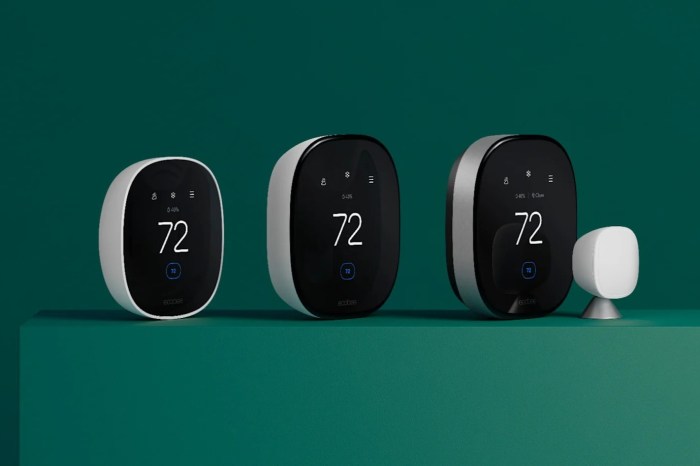
Wire-free thermostat upgrades refer to the installation of smart thermostats that do not require physical wiring to connect to your HVAC system. Instead, they use wireless technology to communicate with your heating and cooling systems.
Upgrading to wire-free thermostats offers several benefits, such as increased energy efficiency, remote access and control, and the ability to create personalized heating and cooling schedules based on your lifestyle and preferences.
The Importance of Smart Living Spaces
Smart living spaces play a crucial role in modern homes by integrating technology to enhance convenience, comfort, and energy efficiency. With the rise of smart home devices, including wire-free thermostats, homeowners can create a connected environment that adapts to their needs and improves overall quality of life.
Types of Wire-Free Thermostat Systems
Wire-free thermostat systems come in various types to cater to different needs and preferences. Let's explore the options available and the installation process for each type.
Battery-Powered vs. Rechargeable Wire-Free Thermostats
Battery-powered wire-free thermostats are convenient as they do not require a power source other than batteries. They are easy to install and replace, making them a popular choice for those looking for a simple setup. On the other hand, rechargeable wire-free thermostats eliminate the need for constant battery replacements, offering a more eco-friendly and cost-effective option in the long run.When it comes to installation, battery-powered thermostats typically involve inserting the batteries and mounting the device on the wall.
They are relatively straightforward to set up and can be done without professional help. Rechargeable thermostats, on the other hand, may require initial charging before installation. The process usually involves connecting the device to a power source for a specified period until fully charged, followed by mounting on the wall like battery-powered thermostats.Overall, both types of wire-free thermostats offer convenience and flexibility in managing temperature settings without the constraints of wires.
Choose the one that best suits your preferences and needs for a seamless smart living experience.
Features and Functionality
Wire-free thermostats for smart living spaces offer a range of key features that make them a popular choice for homeowners looking to upgrade their heating and cooling systems. These innovative devices not only provide convenience but also contribute to energy efficiency and cost savings.
Integration with Smart Home Systems
Wire-free thermostats are designed to seamlessly integrate with smart home systems, allowing users to control their heating and cooling remotely through a mobile app or voice commands. This integration enables homeowners to adjust temperature settings, create schedules, and monitor energy usage from anywhere, providing ultimate convenience and flexibility.
Energy Efficiency and Cost Savings
One of the primary benefits of wire-free thermostats is their ability to optimize energy usage and reduce utility costs. By allowing users to set precise temperature schedules and adjust settings based on occupancy, these thermostats help minimize energy waste and ensure efficient heating and cooling.
This not only helps lower energy bills but also reduces overall environmental impact, making them a sustainable choice for modern homes.
Compatibility and Connectivity
When upgrading to wire-free thermostats for your smart living space, it is crucial to consider the compatibility with your existing HVAC system and the connectivity options available. This ensures a seamless integration of your thermostat with other smart devices in your home.
Compatibility with Existing HVAC Systems
Wire-free thermostats come in various models and designs, so it is essential to check the compatibility with your current HVAC system before making a purchase. Some wire-free thermostats are designed to work with specific HVAC systems, while others offer more universal compatibility.
It is recommended to consult with a professional to determine the best option for your setup.
Connectivity Options
Wire-free thermostats offer connectivity options such as Wi-Fi, Bluetooth, or other protocols to communicate with your smart devices. Wi-Fi-enabled thermostats allow you to control your home's temperature remotely through a mobile app, while Bluetooth connectivity offers a more localized connection within your home.
Consider the connectivity range and stability when choosing the right thermostat for your smart living space.
Seamless Integration with Smart Devices
To ensure seamless integration with other smart devices in your home, look for wire-free thermostats that are compatible with popular smart home platforms like Amazon Alexa, Google Assistant, or Apple HomeKit. This compatibility allows you to create a connected ecosystem where your thermostat can interact with other devices such as smart lights, locks, and cameras.
Make sure to follow the manufacturer's instructions for setting up and connecting your wire-free thermostat to maximize its functionality within your smart living space.
Installation and Setup
Installing wire-free thermostats in your smart living space is a straightforward process that can greatly enhance the comfort and efficiency of your home heating and cooling systems. However, it's important to follow the correct steps to ensure a successful installation and setup.
Step-by-Step Guide for Installing Wire-Free Thermostats
- Begin by turning off the power to your HVAC system to avoid any electrical accidents during installation.
- Remove your existing thermostat from the wall and carefully disconnect the wires. Make sure to label each wire according to its corresponding terminal.
- Mount the base plate of the wire-free thermostat on the wall at the desired location, ensuring it is level and securely attached.
- Connect the wires from your HVAC system to the corresponding terminals on the wire-free thermostat base plate, following the manufacturer's instructions.
- Attach the wire-free thermostat display unit to the base plate and restore power to your HVAC system.
- Follow the on-screen prompts to complete the setup process, including connecting the thermostat to your Wi-Fi network and configuring your heating and cooling preferences.
Common Challenges During Installation and How to Overcome Them
- Issue: Compatibility problems with existing HVAC systems.
- Solution: Verify compatibility with your HVAC system before purchasing a wire-free thermostat and consult with a professional if needed.
- Issue: Incorrect wiring connections.
- Solution: Double-check the wiring connections according to the thermostat's manual and ensure they match the terminal labels.
- Issue: Poor Wi-Fi signal strength.
- Solution: Use a Wi-Fi extender or move the router closer to the thermostat to improve signal strength.
Recommendations for Optimal Thermostat Placement in Different Living Spaces
- Living Room: Install the thermostat on an interior wall away from direct sunlight and drafts to obtain accurate temperature readings.
- Bedroom: Place the thermostat in a location where it can monitor the room's temperature without being obstructed by furniture or curtains.
- Kitchen: Avoid installing the thermostat near heat-producing appliances or vents to prevent false temperature readings.
Maintenance and Troubleshooting
Proper maintenance of wire-free thermostat systems is essential to ensure optimal performance and longevity. Additionally, being able to troubleshoot common issues can help prevent any disruptions in your smart living space.
Maintenance Requirements
- Regularly check the batteries in the thermostat to ensure they are functioning properly. Replace them as needed to avoid any interruptions in power.
- Clean the thermostat and sensors periodically to remove dust and debris that may affect their accuracy.
- Inspect the wireless connection and signal strength to ensure a stable connection with the smart home system.
Troubleshooting Tips
- If the thermostat is unresponsive, check the batteries and replace them if necessary. Restart the system to see if that resolves the issue.
- If the temperature readings seem inaccurate, recalibrate the thermostat according to the manufacturer's instructions.
- If there are connectivity issues, move the thermostat closer to the smart hub or router to improve the signal strength.
- Consult the user manual or contact customer support for further assistance if troubleshooting on your own does not solve the problem.
Importance of Updates and Firmware Upgrades
Regular updates and firmware upgrades are crucial to keep your wire-free thermostat system secure and up to date with the latest features and improvements. These updates often address bugs, enhance performance, and add compatibility with new devices or technologies.
Outcome Summary
In conclusion, wire-free thermostat upgrades represent a significant leap in home technology, ensuring a seamless blend of comfort, efficiency, and smart living. Embracing this advancement can truly transform the way we interact with our living spaces, making everyday life more convenient and sustainable.
Question & Answer Hub
Are wire-free thermostats compatible with all HVAC systems?
Wire-free thermostats are designed to be compatible with a wide range of HVAC systems, but it's recommended to check with the manufacturer for specific compatibility details.
What are the key benefits of upgrading to wire-free thermostats?
Upgrading to wire-free thermostats offers benefits such as increased convenience, energy savings, and seamless integration with smart home systems.
How do wire-free thermostats contribute to energy efficiency?
Wire-free thermostats help optimize energy usage by allowing precise control over heating and cooling, resulting in lower energy consumption and cost savings.
What maintenance is required for wire-free thermostat systems?
Maintenance for wire-free thermostat systems typically involves regular cleaning, battery replacement (if applicable), and ensuring software/firmware updates are current.